Google Eyewear
Google had the technology for a whole family of intelligent eyewear, from camera glasses to immersive headsets. What it needed was a clear answer to a simple question: what is each one for?
As design strategy lead, I co-ran the global research and positioning work that built that answer around what people need rather than what each device can do, giving leaders a clear architecture for where to invest.
Positioning
Brand Architecture
Value Prop Development
Consumer Insights
Storytelling
2025, Strategy Lead
Google I/O 2026 release
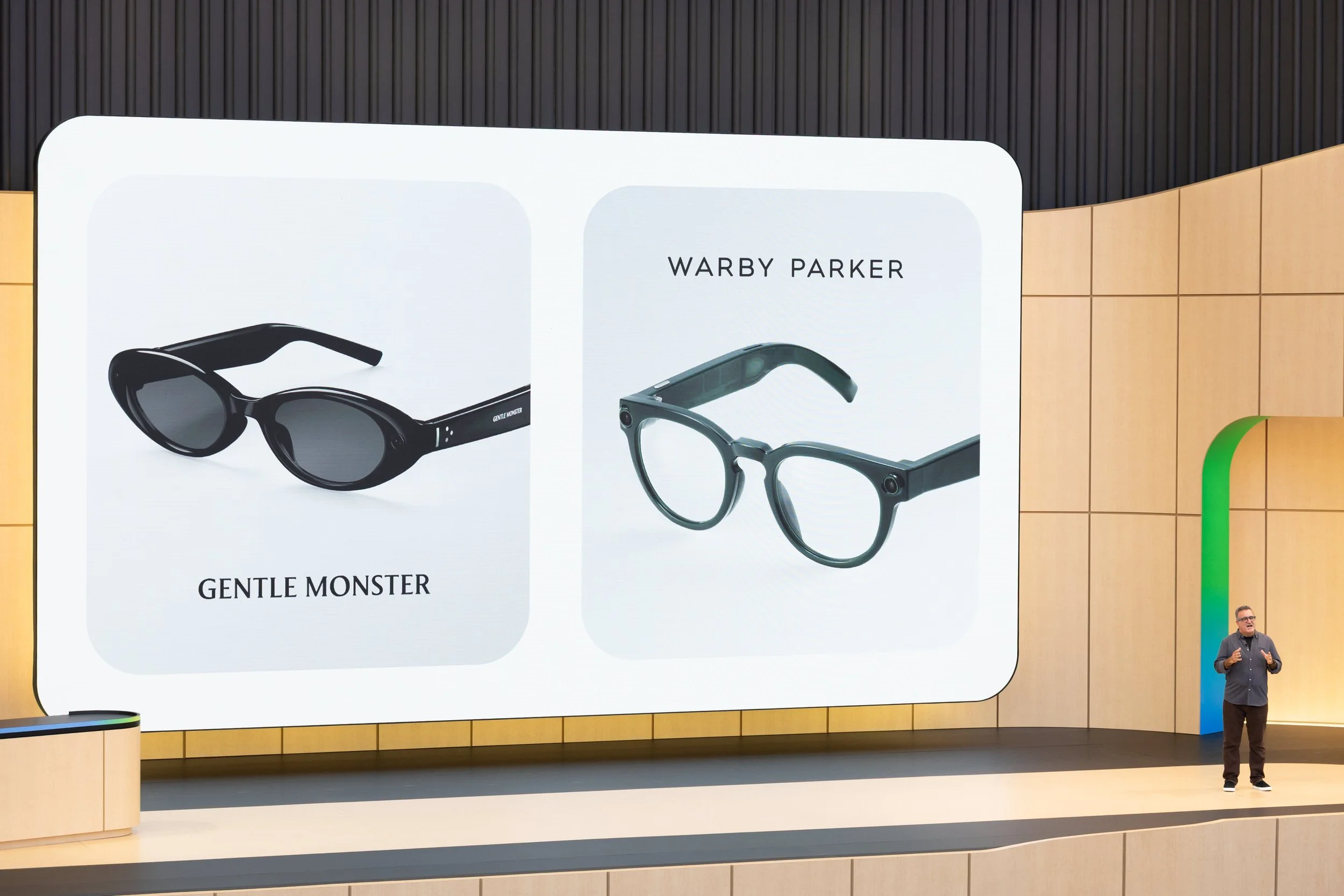
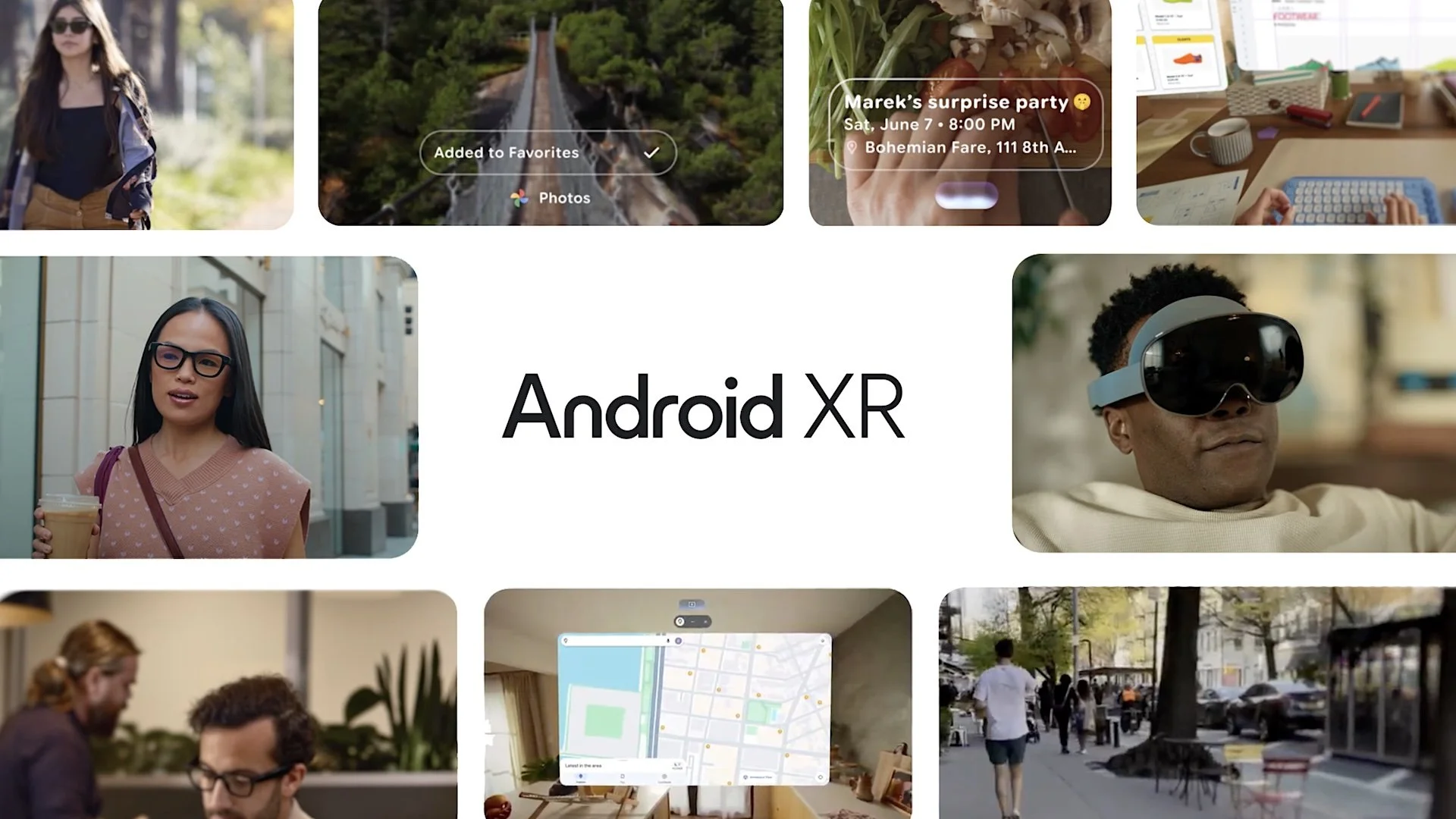
Google was building a family of devices around glasses, with strong signals about where the technology was headed. What was less clear was the range itself: why each device should exist, and what it offered the person wearing it. I co-ran the global research with a research lead, working with Google's XR researchers and partners across product, brand, and engineering.
We visited people in their homes in Seoul, London, and across the US, learning how they use smart eyewear today and co-creating the features they'd want next. My focus was what sat underneath those features: the role each device played in someone's life. Was it private or shared, a quick glance or full immersion, a helper for the moment or a companion for the day?
Those roles became a simple hierarchy of needs: staying aware, understanding the world, managing life, and creating and connecting. Each device was defined by the need it served best.
That also drew the lines between devices. Glasses fit the everyday needs, offering help in the moment while keeping you heads up and hands free. Headsets suit deeper, more deliberate immersion, a place you go rather than something you wear through the day. Being clear about where each device stops, and what it should and shouldn't do, is what made the range make sense and gave people reasons to trust it.
Though scoped as research, the project gave leaders the positioning, language, and architecture to decide where to invest, resulting in a focus on glasses. I also led a designer on a documentary film of participant voices, a format I'd started on earlier Google work that became standard on our engagements, which gave teams real people to build for.
When Google announced its first intelligent eyewear in 2026, several lead features matched the needs people had told us mattered most, and Google described the category in much the same terms: hands-free and heads up.